Imagine opening your fridge and finding everything you need at a glance—no more digging through clutter or discovering forgotten leftovers. Organizing your fridge not only saves you time and money, but it also keeps your food fresher for longer.
You’re about to learn simple yet powerful techniques to transform your fridge into a streamlined space that supports your lifestyle and culinary adventures. As you explore these tips, you’ll discover how a well-organized fridge can make cooking more enjoyable and efficient.
Dive in to uncover the secrets of fridge organization that will revolutionize your kitchen experience.
Fridge Zones
Organize your fridge efficiently by understanding its zones. Store dairy in the coldest section. Keep fruits and vegetables in separate drawers to maintain freshness. Place condiments in the door for easy access. Proper arrangement reduces waste and keeps food fresh longer.
Organizing your fridge effectively can save time, reduce waste, and ensure your food stays fresher for longer. But have you ever thought about the specific zones within your fridge? Each area has a unique function, and understanding these can transform how you store your groceries. Whether you’re a culinary enthusiast or someone who loves a tidy space, these fridge zones can make a big difference in your daily life.Top Shelves
The top shelves are ideal for ready-to-eat foods and beverages. These are the most accessible parts of the fridge, making them perfect for items you frequently reach for. Think leftovers, drinks, or snacks. Storing them at eye level means you won’t forget about them. This can help reduce food waste and save money. What do you usually keep on your top shelf?Middle Shelves
Middle shelves are slightly cooler and are great for dairy products. Milk, cheese, and yogurt find their perfect home here. Keeping these items centrally ensures they are easy to grab, especially during busy mornings. Plus, it helps maintain their freshness. Ever noticed how placing milk on the door makes it spoil faster?Bottom Shelves
The coldest part of the fridge, the bottom shelves, are the best spot for raw meat and fish. This ensures they stay fresh and safe to eat. Keeping them here also prevents any accidental drips from contaminating other foods. It’s a simple switch that makes a big safety impact. Do you have a system for storing meats in your fridge?Crisper Drawers
Crisper drawers are specifically designed to keep your fruits and vegetables fresh. They maintain humidity levels that are ideal for produce. By separating fruits and veggies, you can prevent ethylene gas from accelerating spoilage. It’s a small detail that can extend the life of your greens. Have you ever opened your crisper drawer and found surprise rotten veggies? Understanding these fridge zones can make organizing straightforward and efficient. Each zone has its role, and when used properly, your fridge can become a tool to boost your culinary creativity. What’s one zone you plan to reorganize today?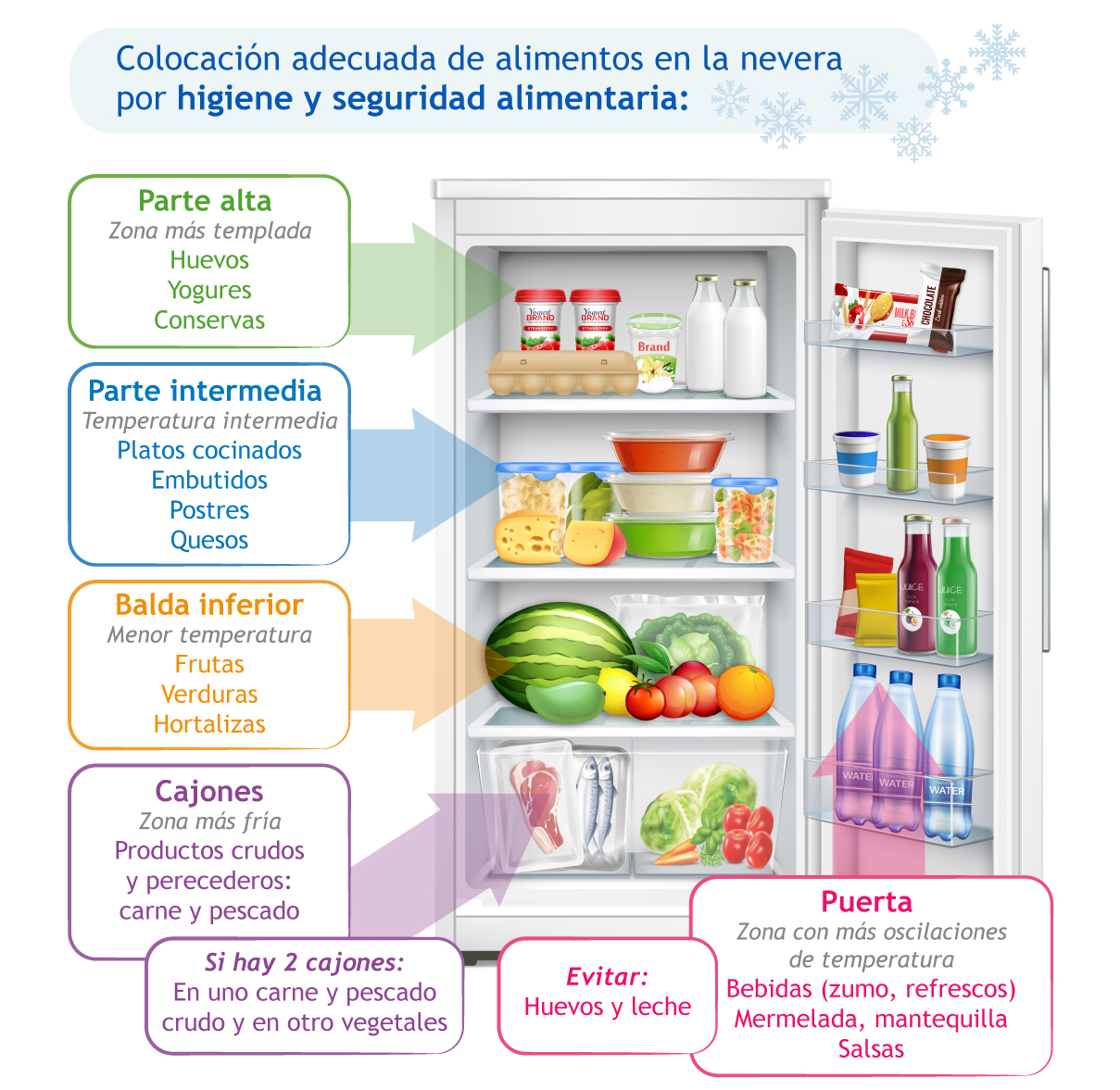
Credit: www.institutotomaspascualsanz.com
Temperature Settings
Organizing your fridge starts with setting the right temperature. Keep it between 35°F and 38°F for optimal freshness. This helps preserve food longer and prevents spoilage.
Setting the right temperature in your refrigerator is crucial for keeping your food fresh and safe. Not only does it prevent spoilage, but it also helps in reducing food waste and saving money. But how do you know if you’re setting it just right?Understanding Optimal Temperature Ranges
Your refrigerator should ideally be set between 35°F and 38°F (1.6°C to 3.3°C). This range is cold enough to keep bacteria at bay but not so cold that it freezes your food. Have you ever found your lettuce frozen solid? That’s a sign your fridge is too cold.Setting The Freezer Temperature
For the freezer, the ideal temperature is 0°F (-18°C). This keeps your frozen goods in peak condition without turning them into ice blocks. If your ice cream is brick-hard, consider turning the temperature up a notch.Using A Thermometer
A fridge thermometer is a handy tool to have. It provides an accurate reading of the temperature inside, ensuring your settings are just right. Place it in the center of the fridge for the best measurement. Ever thought your fridge was colder than it actually is? A thermometer can clear up any doubt.Adjusting For Seasonal Changes
Did you know that the ambient temperature can affect your fridge’s performance? In summer, your fridge might need a slightly lower setting to combat the heat. Conversely, in winter, you might find you need to turn it up a bit.Common Mistakes To Avoid
Avoid stuffing your fridge to the brim. Overloading can block air circulation, leading to uneven cooling. Have you ever noticed items in the back freezing while others up front are barely cold? That’s a classic sign of poor air circulation.Monitoring Energy Consumption
Keeping your fridge and freezer at the right temperature can also save on energy bills. Who doesn’t love saving a few extra bucks while ensuring their food stays fresh? Regularly checking and adjusting the settings can make a noticeable difference. By following these tips, you ensure your refrigerator operates efficiently, keeping your food fresh and your energy bills in check. Are you ready to give your fridge the attention it deserves?Proper Food Storage
Organizing your refrigerator is crucial for keeping food fresh. Proper storage prevents spoilage and saves money. It also helps maintain flavor and nutrients. Let’s explore how to store different food types effectively.
Dairy Products
Store milk and yogurt in the main compartment. Keep them away from the fridge door. This area keeps them at a stable temperature. Cheese should be wrapped tightly. Place it in a designated cheese drawer or container.
Meats And Fish
Meat and fish require cold temperatures. Place them on the bottom shelf. Use sealed containers to prevent leaks. This prevents contamination of other foods. Freezing can extend their shelf life.
Fruits And Vegetables
Fruits and vegetables need separate storage. Use the crisper drawers for vegetables. This keeps them fresh longer. Fruits can be stored on shelves but not in sealed bags. Ethylene-producing fruits should be kept apart.
Leftovers
Leftovers should be stored in airtight containers. Label them with the date for easy tracking. Place them on the top shelf. This ensures they are used quickly. Consuming leftovers within three days is best.
Avoiding Cross-contamination
Organizing your fridge is more than just tidying up. It’s about keeping food safe. Cross-contamination can lead to foodborne illnesses. Avoiding it is crucial for health.
Understanding Cross-contamination
Cross-contamination happens when bacteria spread. Raw meat juices can drip onto fresh produce. This is a health risk. Proper organization helps prevent it.
Separate Raw And Cooked Foods
Raw meats need their own space. Place them on the bottom shelf. This stops drips onto other foods. Cooked foods should stay above raw items.
Use Sealed Containers
Store foods in sealed containers. This keeps bacteria contained. It also preserves flavor and freshness. Invest in quality containers for safety.
Keep Fruits And Vegetables Separate
Fruits and vegetables need their own section. This avoids mixing odors. It also prevents cross-contamination. Use designated drawers for these items.
Regular Cleaning
Clean the fridge regularly. Remove spills immediately. Regular cleaning reduces bacteria. It keeps your fridge hygienic and safe.
Label And Date Your Foods
Label your containers with dates. This helps track freshness. It ensures you use items before they spoil. Proper labeling aids organization.
Check Your Fridge Temperature
Ensure your fridge is at the right temperature. It should be below 40 degrees Fahrenheit. This slows bacteria growth. It’s vital for food safety.
Containers And Organization
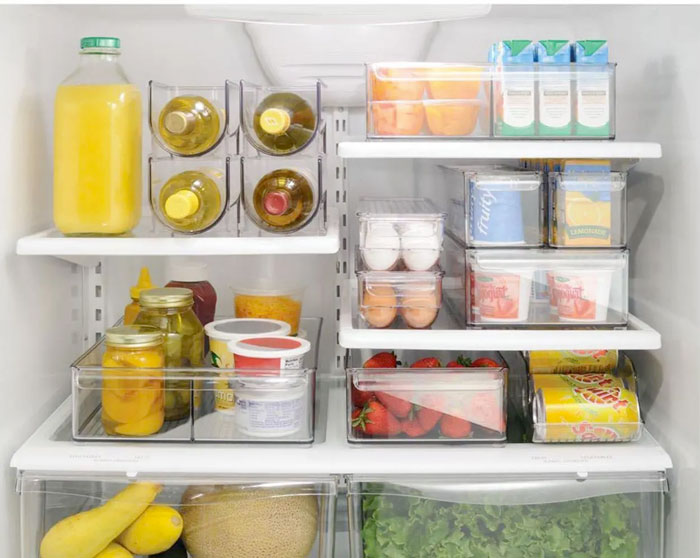
Keeping your fridge organized makes life easier. Use clear containers to store leftovers and ingredients. This helps you see what you have and reduces food waste. Group similar items together, like fruits or dairy, for easy access. Organizing your fridge saves time and keeps food fresh.
Organizing your refrigerator not only saves time but also helps reduce food waste. A well-structured fridge makes it easy to find what you need, prolongs the life of your groceries, and ensures food safety. By focusing on the right containers and organization techniques, you can transform your fridge into an efficient and orderly space.Choosing Containers
Choosing the right containers is crucial for keeping your fridge tidy and your food fresh. Clear, stackable containers allow you to see what’s inside without opening them, saving you time and reducing the chances of forgetting about leftovers. Consider using containers with airtight lids to preserve freshness and prevent spills. Different foods require different types of containers. For instance, use glass containers for acidic foods like tomatoes to avoid staining, while plastic ones work well for dry items. Do you often store soups or sauces? Opt for containers with a spout for easy pouring. Investing in a set of uniform containers can also help maximize space. They stack more easily and create a streamlined look. Have you ever struggled with fitting odd-shaped containers? Standardized shapes make organizing a breeze.Labeling And Dating
Labeling and dating your food items can be a game-changer. By clearly marking what each container holds and the date it was stored, you can quickly identify what needs to be used first. This practice reduces food waste and saves money. Use waterproof labels or erasable markers for easy updates. Have you ever found a mystery container in the back of the fridge? Labels eliminate guesswork and unnecessary food spoilage. Involve the whole family in the labeling process. It can be a fun activity, especially if you let kids decorate the labels. This way, everyone knows where to find their snacks, and you maintain an organized fridge. Organizing your fridge with the right containers and labeling system can simplify your life. What small steps can you take today to start organizing your fridge? A little effort now can lead to big rewards later on.Regular Cleaning Routine
Organizing your fridge requires a consistent cleaning routine. This keeps food fresh and avoids unpleasant odors. A clean fridge helps in easy access to items. It also reduces food waste. Let’s explore the regular cleaning routine, step by step.
Weekly Maintenance
Remove expired and spoiled food every week. Wipe the shelves with a damp cloth. Use mild soap and warm water. Pay attention to spills and crumbs. Clean them immediately to avoid stains. Organize food by categories. Place similar items together for easy access.
Deep Cleaning Steps
Deep clean your fridge every month. Unplug the fridge before cleaning. Empty all contents first. Use a mixture of baking soda and water. This helps to scrub shelves and drawers. Rinse with clean water. Dry them completely before placing back.
Clean the fridge door seals. Use a toothbrush for the grooves. Dust the back coils. This improves fridge efficiency. Inspect and replace old air filters. Finally, organize the contents neatly. Ensure ventilation for each item.
Energy Efficiency Tips
Organizing your refrigerator wisely can lead to significant energy savings. A well-arranged fridge not only keeps food fresh but also reduces energy consumption. By implementing simple energy efficiency tips, you can cut down on electricity bills while ensuring your food stays fresh and safe.
Adjust Temperature Settings
Set the fridge temperature between 37-40°F (3-5°C). This range keeps food fresh without using excess energy. For the freezer, aim for 0°F (-18°C). Regularly check and adjust these settings to maintain efficiency.
Keep It Full
A full fridge retains cold better than an empty one. Store items strategically to maximize space. Use containers to organize and fill gaps, helping maintain temperature and energy efficiency.
Clean Condenser Coils
Dirty coils make the fridge work harder, using more energy. Clean them every six months. This simple task improves the appliance’s efficiency and lifespan.
Seal Gaps And Leaks
Inspect the door seals for gaps or leaks. Replace worn seals to prevent cold air from escaping. A tight seal reduces energy usage and maintains consistent cooling.
Organize Smartly
Place frequently used items near the front. This reduces the time the door stays open. A shorter open time means less energy wasted.
Limit Door Opening
Plan what you need before opening the fridge. Reducing door open time saves energy. This practice keeps the fridge cool and efficient.
Avoid Overcrowding
Overcrowding blocks air circulation, leading to uneven cooling. Arrange items to allow airflow. Proper circulation ensures efficient cooling throughout the fridge.
Credit: www.mujer.com.pa
Common Mistakes
Many people stack food without considering airflow, leading to uneven cooling. Misplacing items can hide them, causing spoilage. Ignoring labels and expiration dates results in wasted food.
Organizing your fridge may seem easy. Yet, many make common mistakes. These errors can spoil food and waste money. Let’s discuss these mistakes. Learn how to avoid them for a tidy, efficient fridge.1. Storing Items In The Wrong Place
Each fridge section has a purpose. Some put dairy on the door shelves. But the door is the warmest part. Keep milk and eggs on the middle shelves. They stay cooler and fresher there.2. Overloading The Fridge
A packed fridge blocks air circulation. Food won’t stay at the right temperature. Leave space between items. This helps air flow and keeps food fresh.3. Ignoring Expiry Dates
Expired food can hide in the fridge. Check dates regularly. Toss old items to avoid spoilage and bad odors. Organize by placing new items at the back.4. Not Using Clear Containers
Opaque containers hide food. You forget what’s inside. Use clear containers to see contents easily. This helps reduce waste and keeps things organized.5. Storing Hot Leftovers
Putting hot food in the fridge raises the temperature. This can spoil other foods. Let leftovers cool before storing. It keeps the fridge at a safe temperature.6. Not Cleaning Spills Immediately
Spills can lead to bacteria growth. Clean them right away. Use a damp cloth to wipe spills. This keeps the fridge hygienic and fresh-smelling.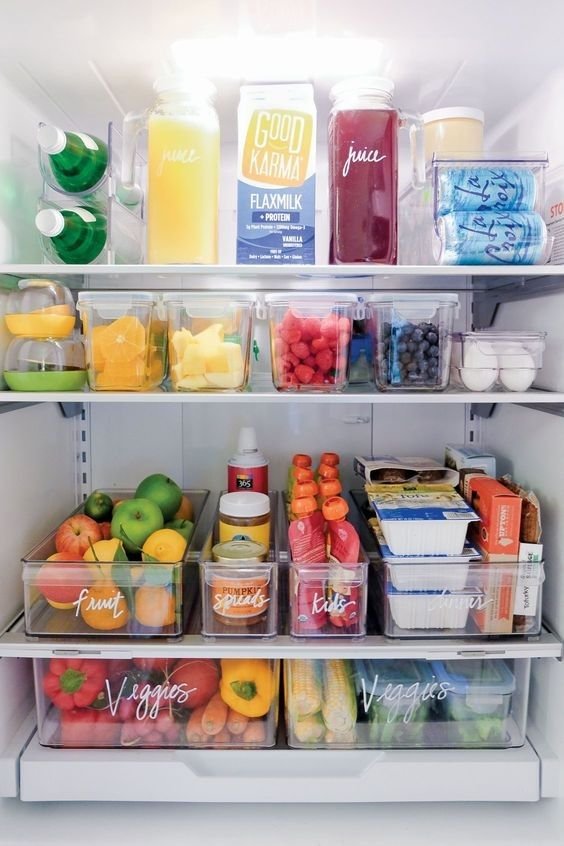
Credit: www.reorganiza.net
Frequently Asked Questions
How Do I Organize Food In My Fridge?
Organize your fridge by grouping similar items together. Keep dairy products on the upper shelves. Store raw meats in the bottom to prevent contamination. Use clear containers for leftovers. Place fruits and vegetables in separate crisper drawers. This ensures easy access and maintains freshness.
Where Should Eggs Be Stored In The Fridge?
Store eggs in their original carton on a middle shelf. The carton protects eggs from absorbing strong odors. Keeping them in the middle maintains a consistent temperature, crucial for freshness. Avoid storing them on the fridge door, where temperatures fluctuate more.
What Foods Should Not Be Refrigerated?
Certain foods lose flavor or texture in the fridge. Potatoes become gritty, and tomatoes lose flavor. Bread goes stale faster. Keep onions in a cool, dry place. Also, avoid refrigerating garlic and avocados until they’re ripe. These items fare better at room temperature.
How Can I Maximize Fridge Space?
To maximize fridge space, use stackable containers and clear bins. Label everything for quick access. Adjust shelves to fit taller items. Store bulky items like milk and juices in the door. Use lazy susans for condiments. This setup helps optimize space and efficiency.
Conclusion
Organizing your fridge keeps food fresh and saves money. Remember to group similar items together. Use clear containers for easy visibility. Keep raw meats on the bottom shelf. This prevents cross-contamination. Check expiration dates regularly. It reduces waste and ensures safety.
Clean spills immediately to maintain hygiene. A tidy fridge makes meal prep easier. It also helps you find items quickly. With these simple tips, your fridge stays organized. Enjoy a clutter-free kitchen and fresh ingredients every day.