Are you tired of rummaging through your pantry, only to find expired products or items you didn’t even know you had? Organizing your pantry might seem like a daunting task, but with the right ideas, you can transform it into a space that’s both functional and inspiring.
Imagine opening your pantry and instantly spotting everything you need, neatly arranged and easily accessible. A well-organized pantry not only saves you time but also reduces stress and helps you make the most of your groceries. You’ll discover simple yet effective ideas to organize your pantry, turning it into a streamlined haven for your culinary adventures.
Get ready to unlock the secrets to a clutter-free pantry that will make cooking a joy and shopping a breeze.
Assessing Pantry Needs
Organizing your pantry starts with assessing what you truly need. Identify essential items for daily use. Arrange similar foods together for easy access and visibility.
Assessing your pantry needs is the first step to creating an organized space that makes cooking and meal planning a breeze. Do you find yourself buying items you already have? Or perhaps you struggle with finding the right ingredient when you need it most? Understanding what your pantry truly needs can save you time and money while ensuring your kitchen runs smoothly.Identify Commonly Used Items
Start by making a list of items you use frequently. Think about the staples in your cooking routine—flour, rice, canned goods. Have you ever been in the middle of cooking only to find you’re out of a crucial ingredient? It’s frustrating. Keep track of these essential items to prevent those moments.Check Expiration Dates
Expired products can clutter your pantry and confuse your inventory. Take the time to go through your pantry and check expiration dates. You’ll be surprised at how many items you need to toss. This step helps free up space and ensures everything you use is fresh and safe.Evaluate Storage Space
Consider the size and layout of your pantry. Is it easy to access items or are some things hidden away? You might have a massive pantry but struggle to find what you need because of poor organization. Think about how you can optimize the space—perhaps adding shelves or dividers.Analyze Your Cooking Habits
Reflect on your cooking habits. Do you often prepare elaborate meals or stick to simple recipes? This insight can help you determine what ingredients to keep on hand. Maybe you need more spices for gourmet cooking or quick snacks for busy weekdays. Tailor your pantry to fit your lifestyle.Consider Dietary Preferences
Your dietary needs and preferences play a big role in pantry organization. Are you gluten-free, vegetarian, or keen on organic products? Make sure your pantry reflects these choices. Store items in a way that makes them easy to find and access.Plan For Seasonal Changes
Your pantry needs might change with the seasons. Summer calls for BBQ sauces and salad dressings, while winter might have you reaching for hearty soups and stews. Be mindful of these shifts and adjust your pantry accordingly.Involve Your Family
Involve everyone in your home in the pantry assessment process. Ask them about their favorite snacks or ingredients they wish were more accessible. This way, your pantry caters to everyone’s needs, reducing the chances of forgotten items or wasted food. In assessing your pantry needs, the goal is to create a space that works for you and your household. What changes will make your pantry more efficient and user-friendly?
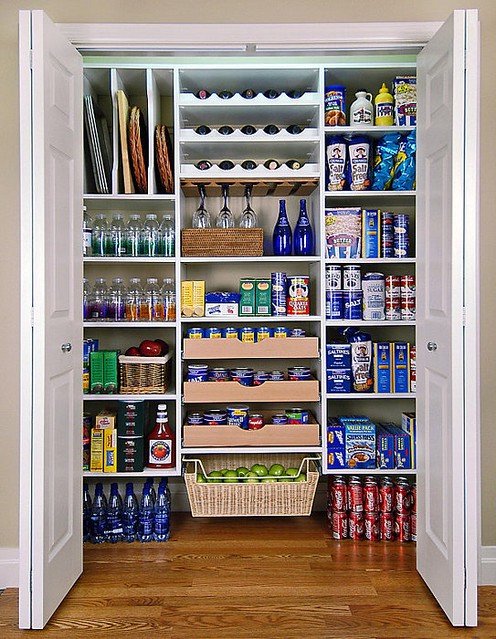
Credit: jp.pinterest.com
Decluttering Essentials
Discover smart tips for organizing your pantry with ease. Keep items visible with clear containers. Group similar foods together. Use shelf risers for extra space. A tidy pantry saves time and reduces stress, making meal prep a breeze. Simplify your kitchen today.
Organizing your pantry can transform your kitchen experience. A clutter-free pantry not only saves time but also reduces stress. It allows you to see what you have, plan meals effectively, and avoid unnecessary purchases. Let’s dive into the essentials of decluttering, which will make your pantry a model of efficiency and functionality.Start With A Clean Slate
Before organizing, empty your pantry completely. It’s a chance to wipe down shelves and get rid of expired items. You’ll be surprised at the forgotten cans and boxes lurking at the back.Sort And Categorize
Group similar items together. Think cereals with cereals, canned goods with canned goods. This approach makes it easier to find what you need. It also helps in identifying duplicates that take up unnecessary space.Use Clear Containers
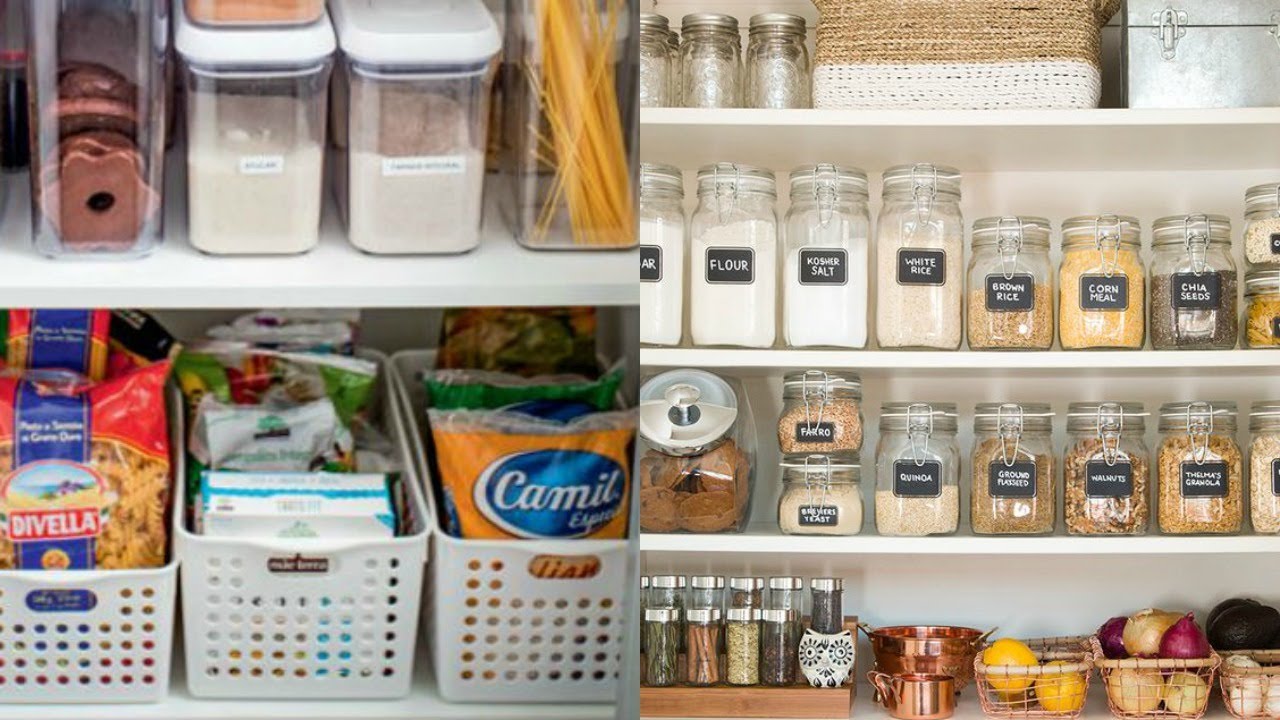
Transfer dry goods into clear, airtight containers. This not only keeps food fresh but also allows you to see what’s inside at a glance. You can stack these containers easily, maximizing shelf space.Label Everything
Labeling is a game changer. Use a label maker or simple sticky notes. This ensures everyone in your household knows where to return items, maintaining order over time.Create Zones For Easy Access
Designate areas for snacks, spices, baking supplies, etc. This zoning makes it simple to grab what you need during meal prep. You’ll quickly notice how much smoother your cooking process becomes.Implement A First-in, First-out System
Arrange items so the oldest are at the front and newest at the back. This method prevents food from expiring unnoticed. It’s a simple strategy that minimizes waste and saves money.Consider Vertical Space
Make use of vertical storage solutions like tiered shelves or hanging racks. This is especially helpful in small pantries. You’ll discover more space than you thought you had.Reflect And Adjust
After a week or two, assess how your system is working. Are things still tidy? Make adjustments as needed. Remember, organizing is an evolving process. Does your pantry still feel like a chore or does it inspire you to create culinary masterpieces? By implementing these decluttering essentials, you’re not just tidying a space; you’re enhancing your entire cooking experience.Categorizing Food Items
Organizing your pantry can transform your cooking experience, making it easier to find what you need and ensuring everything is fresh and ready to use. One of the most effective ways to achieve this is by categorizing food items. Imagine opening a pantry where everything is neatly arranged; it not only looks appealing but also saves you time. Let’s dive into some practical ideas on how to categorize your pantry essentials, so your cooking adventures become more enjoyable.
Dry Goods
Think about how often you find yourself rummaging through bags of flour, sugar, or pasta, trying to locate the right ingredient. Assigning designated spaces for dry goods can alleviate this chaos. Use clear containers to store these items; it allows you to see how much you have left at a glance. Labeling each container can also help you quickly identify what’s inside. You might consider grouping similar items together, such as baking essentials in one area and grains in another. This way, when you’re ready to bake or cook a meal, you know exactly where to reach.
Canned Products
Canned goods can often be a source of clutter due to their uniform size and shape. However, organizing them by type can make your pantry more efficient. Arrange your cans by category, such as vegetables, fruits, soups, and beans. This simple method reduces the time spent searching for that elusive can of tomatoes when you’re whipping up pasta sauce. If your pantry space allows, implement a tiered shelf to maximize vertical space and visibility. This setup ensures you can always see what you have and prevent overbuying duplicates.
Snacks And Treats
Snacks are a staple in any household, but they can quickly become a mess without proper organization. Consider using baskets or bins to contain your snack items. Create sections for healthy snacks like nuts and dried fruits, and another for indulgent treats like chocolates and chips. This not only keeps your pantry tidy but also helps in choosing between healthy and indulgent options when cravings strike. As you categorize, think about what snacks are most popular in your home, and place them at eye level for easy access. It’s a simple yet effective strategy to keep everyone happy and your pantry organized.
Utilizing Storage Solutions
Organizing your pantry can enhance your kitchen’s functionality. Utilizing storage solutions makes it easy to find what you need. These ideas help maximize space and maintain order. Discover efficient ways to store your pantry items.
Shelving Options
Sturdy shelves hold heavy jars and containers. Adjustable shelves offer flexibility for changing needs. Consider wire shelving for airflow and visibility. Wall-mounted shelves save floor space and add convenience. Use corner shelves to utilize every inch of space.
Bins And Baskets
Bins and baskets keep items grouped and tidy. Transparent bins let you see contents at a glance. Stackable bins maximize vertical space. Use baskets for fruits and vegetables. Choose different sizes to fit various items.
Labeling Systems
Labels ensure you know what’s inside each container. Use clear labels for easy reading. Color-coded labels help categorize items. Chalkboard labels offer flexibility for changing contents. Place labels on shelves to guide item placement.
Creating Zones
Transform your pantry into organized zones. Separate items by categories like snacks, spices, and canned goods. Use clear bins and labels for easy access and neatness.
Creating zones in your pantry brings order and efficiency. This approach simplifies finding items and enhances your cooking experience. By dividing your pantry into specific zones, you create a system that reduces clutter. It also helps you easily access ingredients when needed. Let’s explore how to set up some essential zones in your pantry.Baking Zone
Gather all baking essentials in one area. Keep flour, sugar, baking powder, and other ingredients together. Store measuring cups and spoons within reach. Use clear containers for easy identification. Label each container for quick access. This setup saves time during baking.Breakfast Zone
Place cereals, oats, and breakfast bars in one spot. Keep items for smoothies and shakes nearby. Store honey, peanut butter, and spreads together. Use baskets to keep smaller items organized. This zone makes morning routines smoother.Snack Zone
Create a dedicated space for snacks. Group chips, nuts, and dried fruits. Keep healthier options at the front. Use clear bins for visibility. Label each bin to avoid confusion. This zone helps in managing snack cravings efficiently.Maximizing Vertical Space
Maximizing vertical space in your pantry boosts organization efficiency. Use all available space wisely. Get creative with storage solutions. This approach prevents clutter and enhances access to items. Let’s explore some ideas to make the most of vertical storage.
Stackable Containers
Stackable containers offer a neat and tidy storage option. They come in various sizes to fit different pantry items. Transparent containers help you identify contents quickly. They also make inventory checks easier. Arrange them by category for a streamlined look.
Hanging Racks
Hanging racks utilize unused vertical space efficiently. Install them on pantry doors or walls. These racks hold spices, snacks, or small jars. They keep items visible and within reach. Use hooks for hanging kitchen tools or bags. This method maximizes storage without overcrowding shelves.
Incorporating Rotating Systems
Organizing your pantry can be challenging. A rotating system can help. It ensures items are used before they expire. This method is efficient and reduces waste. It also makes finding ingredients easier. Let’s explore how to incorporate rotating systems effectively.
Using Labels For Easy Identification
Labels provide clarity. They help in quickly identifying items. Use clear, large fonts. Place labels at the front of shelves. This makes them visible. Ensure each label includes the item’s name and expiration date.
Organizing Shelves By Expiry Date
Place items with the earliest expiry dates at the front. Newer items should go behind them. This encourages using older products first. It minimizes the risk of spoilage. Regularly check and rotate items as needed.
Utilizing Bins And Containers
Bins and containers offer neat storage. They allow for easy rotation of items. Transparent bins work best. You can see contents without opening them. Group similar items together. This helps in maintaining order.
Creating A Systematic Inventory
An inventory list keeps track of pantry items. Update it regularly. Note down purchase and expiry dates. This ensures nothing is forgotten. It also aids in planning grocery shopping. A well-maintained inventory prevents overbuying.
Seasonal Adjustments
Organize your pantry with seasonal adjustments for easy access and better storage. Use clear containers for visibility. Rotate items by expiration date to minimize waste.
Organizing your pantry can be a game-changer, and with the changing seasons, it’s essential to adjust your storage methods. Seasonal adjustments in your pantry can help you make the most of fresh produce, spices, and other ingredients that are more accessible at different times of the year. This not only keeps your pantry fresh and relevant but also saves you time and money.Rotate Your Stock
When the seasons change, it’s a perfect opportunity to rotate the items in your pantry. Move the upcoming season’s ingredients to the front. This ensures you’re using them while they’re fresh and prevents waste. Consider rotating your canned goods. In summer, you might use more tomato-based products, while in winter, soups and stews take precedence. Adjusting your stock rotation can help keep your meals aligned with the season’s flavors.Store Seasonal Produce
Storing seasonal produce properly can extend its life. During the winter, root vegetables like potatoes and carrots might take center stage in your pantry. In contrast, summer might be the time to stock up on jars of homemade jams. Think about how you store these items. A cool, dark place might be ideal for root vegetables, while jams and jellies can be neatly lined up on a shelf. What’s in season in your area?Adjust Your Spice Rack
Different seasons call for different spices. In the fall, you might find yourself reaching for cinnamon, nutmeg, and cloves more often. In spring, herbs like basil and dill might be more in demand. Organizing your spice rack according to the season can make cooking more efficient. Keep the most-used spices at eye level or within easy reach. This small adjustment can enhance your cooking experience and inspire new culinary creations.Reassess Bulk Purchases
Buying in bulk can be cost-effective, but it’s crucial to reassess what you need each season. In colder months, you might buy more grains and pasta, while in warmer months, fresh produce might be a better investment. Think about your meal plans and what you tend to cook during different seasons. Are you stocking up on items that you rarely use? Adjusting your bulk purchases can save space and prevent clutter.Organize For Quick Access
Seasonal changes often mean different cooking habits. Organizing your pantry for quick access can make meal prep faster and less stressful. Keep frequently used items on lower, easy-to-reach shelves. Label shelves or bins for each season. This clear organization helps everyone in your household know where to find and return items. How can you make your pantry more intuitive? These seasonal adjustments can transform your pantry from a chaotic space into a well-organized, functional part of your kitchen. By making these small changes, you can enjoy a more efficient cooking experience all year round.Maintaining Pantry Organization
Maintaining pantry organization is essential for an efficient kitchen. A well-organized pantry saves time and reduces stress. It ensures you can easily find ingredients when cooking or baking. Keeping your pantry tidy helps you avoid buying duplicates. It also prevents food waste by using items before they expire. Regular attention to pantry organization keeps everything in its place.
Regular Clean-ups
Schedule regular clean-ups to keep your pantry neat. Monthly clean-ups work well for most households. Remove all items from shelves and wipe them down. This helps maintain hygiene and freshness. Check for expired or spoiled food during clean-ups. Dispose of anything that no longer serves its purpose. Reorganize items based on usage. Place frequently used items at the front for easy access.
Inventory Checks
Conduct inventory checks to manage your pantry efficiently. Keep a list of essential items and update it regularly. This helps you track what you have and what you need. Inventory checks prevent overbuying and ensure you’re stocked up. Make a habit of noting items as you use them. This keeps your list current and accurate. Inventory checks save money and reduce food waste.
Credit: www.youtube.com

Credit: www.pinterest.com
Frequently Asked Questions
How Can I Maximize Pantry Space?
Use vertical storage solutions like stackable shelves and baskets. Label containers for easy identification. Utilize the back of the door with hooks or racks. Keep regularly used items at eye level for easy access. Rotate older items to the front to prevent waste.
What Are The Best Containers For Pantry Organization?
Opt for clear, airtight containers to keep food fresh and visible. Stackable containers save space and maintain order. Choose varying sizes for different types of food. Labels help quickly identify contents. Glass containers are eco-friendly and durable, while plastic options are lightweight and budget-friendly.
How Do I Keep My Pantry Organized?
Categorize items into groups, like grains, snacks, and canned goods. Use labels for easy identification. Regularly declutter and dispose of expired products. Arrange items based on frequency of use. Utilize baskets and bins to keep similar items together and maintain a neat appearance.
Why Is Labeling Important In Pantry Organization?
Labeling ensures easy identification and access to pantry items. It helps maintain order and prevents confusion. Labels also assist in tracking expiration dates, reducing food waste. They make it easier for everyone in the household to find and return items, keeping the pantry consistently organized.
Conclusion
Organizing your pantry can make life easier. Clear spaces improve efficiency. Find items quickly without stress. Use jars, labels, and shelves wisely. A neat pantry saves time and money. It helps you see what you have. Avoid buying duplicates. You can also reduce waste.
A tidy pantry looks inviting. It inspires cooking creativity. Try implementing these simple ideas today. Enjoy a well-organized space. It enhances your daily routine. Small changes lead to big benefits. Keep your pantry neat and functional. Happy organizing!